Seven ways to cut your heating bill that don’t cost anything
Before you spend money on new kit, there is an afternoon’s worth of adjustments most houses have never had done. None of them need an engineer, and the first one alone is worth more than the other six put together.
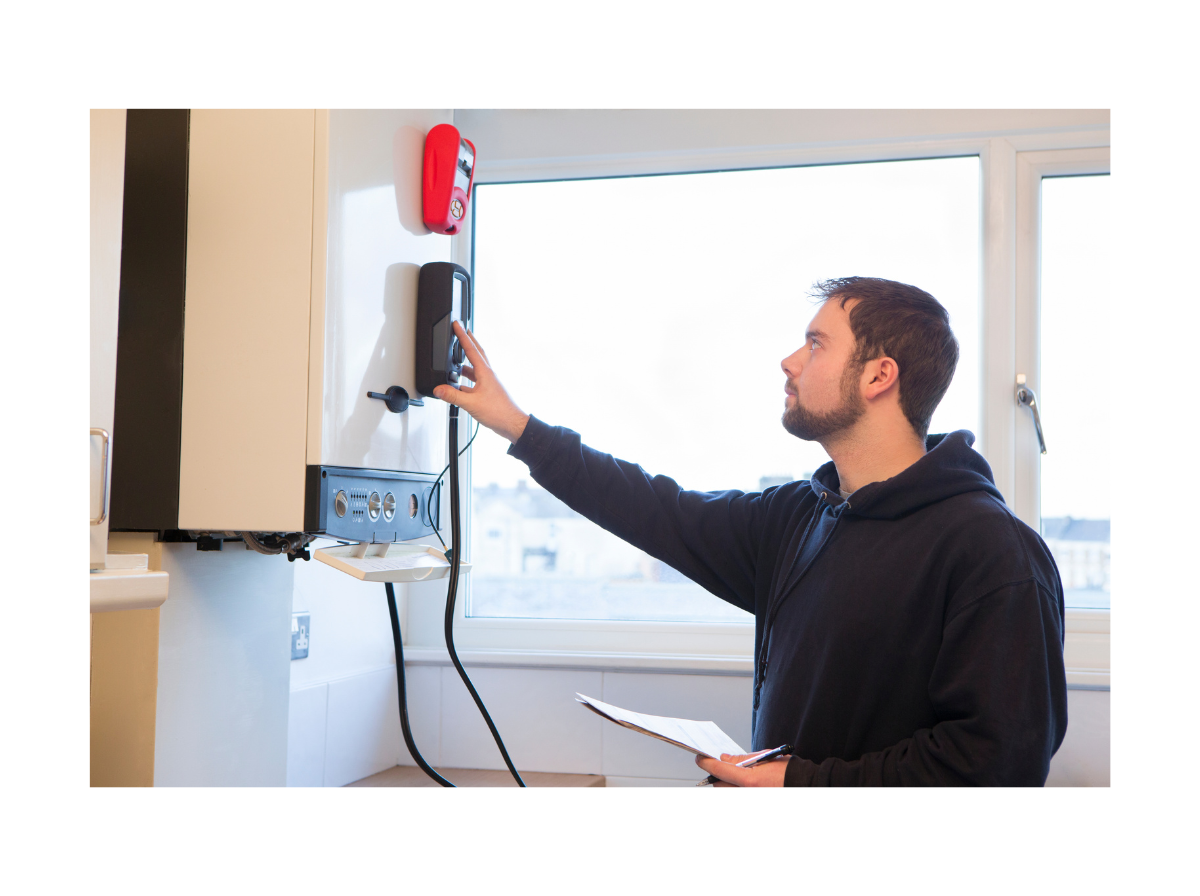
Start with flow temperature
This is the big one, and almost nobody knows about it. Your boiler has a dial or menu setting for how hot it heats the water going out to your radiators. Most are set at the factory to around 70–80°C. Most houses do not need anything like that.
A condensing boiler — anything fitted in the last fifteen years or so — only condenses, and only reaches its advertised efficiency, when the water coming back is cool enough. Run it at 80°C and the return is too hot to condense, so you are paying for a feature you are not getting.
Turning your flow temperature down from 80°C to around 55°C typically cuts gas use by 8–12% with no loss of comfort.
The catch is that the house heats up more slowly, so you set the heating to come on earlier and leave it on longer rather than blasting it. Radiators feel warm rather than scalding. The room still gets to the same temperature.
Important: this is the heating flow temperature, not your hot water. Leave hot water at 60°C or above — that is a legionella safeguard, not an efficiency setting.
The other six
Drop the thermostat by one degree
The oldest advice in the book because it works. Around 3% off your heating bill per degree, and at 20°C versus 21°C most people genuinely cannot tell. Do it for a fortnight before deciding.
Bleed the radiators properly
Cold at the top, warm at the bottom means trapped air. Start with the radiator furthest from the boiler and work back, and check the system pressure afterwards — bleeding drops it, and a boiler below about 1 bar will start throwing faults.
Set the radiator valves room by room
Those numbered valves are not on/off, they are target temperatures. Bedrooms and hallways can sit on 2 or 3, living rooms on 4. Turning every valve to 5 and then dropping the thermostat is exactly backwards.
Use the timer instead of the switch
Heating a cold house from scratch twice a day costs more than holding it steady. Set it to come on half an hour before you need the room and off half an hour before you leave. Manually flicking it on and off is the most expensive way to run any heating system.
Stop heating rooms nobody is in
Close the doors on the spare room and the utility, turn their valves down to 1 or 2, and you are not paying to heat empty air. Do not turn them fully off in winter, though — unheated rooms invite damp and cold bridging.
Move what is blocking your radiators
A sofa pushed against a radiator, a long curtain over one, or a shelf directly above it all send heat where you do not want it. Free to fix and genuinely noticeable in the room.
Roughly what you are looking at
These are typical figures rather than promises — the saving depends on how your house is built, how it is insulated and how you use it. But they compound, and they cost nothing to try.
What won’t move the needle much
Turning the heating off entirely when you are out for a couple of hours saves less than people think, because you pay it back reheating the house. Leaving the heating on very low all day, all winter, is the opposite mistake. And no thermostat is clever enough to fix a house with no loft insulation — insulation first, gadgets second.
If none of it helps
If you have done all seven and the house still will not hold heat, the problem is usually the system rather than the settings: sludge in the radiators, a boiler that is oversized and short-cycling, or a pump on the wrong speed. That is worth an engineer looking at, and it is a service visit rather than a big job.